
|
If you’ve ever been on holiday at the British seaside or spent time in London’s Covent Garden, you may have noticed sings advertising a little puppet show called "Punch and Judy". Performances take place on a tiny stage replete with garish primary colors and lo fi technology (i.e., hands up inside of puppets). You may have walked right past and written it off as quaint children’s entertainment that harkens back to a bygone era before Fortnite and World of Warcraft sucked up all of your children’s time. If so, you sadly missed learning about Mr. Punch, a truly unique character in the Western canon. Just about the size of a small cat, Mr. Punch’s madcap, violent spirit makes him a veritable giant, especially if he perceives you to be an enemy. If you annoy him or try to restrict his freedom, even a wee bit, he’s gonna getcha, even if you are the Devil himself. 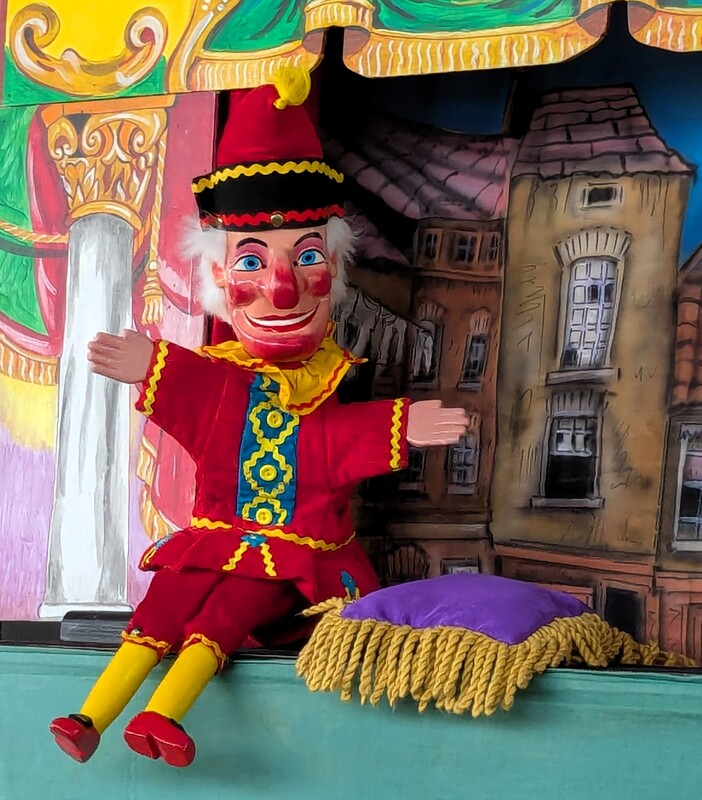 The garish Mr. Punch. We learned about the true nature of Punch from an unlikey source, a narrative nonfiction book authored by a rock star by the name of Mark Manning (aka Zodiac Mindwarp of Zodiac Mindwarp and the Love Reaction). As Mr. Mindwarp suggested in his book The Wild Highway, Punch may be unique for not only beating the Devil but, in some interpretations, beating him to death with a stick. This is a feat of pure chaotic audacity not found in any Western literature we are aware of. Before getting into this further, though, let’s get into a bit of the Punch and Judy history. Punch and Judy shows are rooted in 16th-century Italian commedia dell’arte. Mr. Punch emerged from a character called Pulcinella, who was a hook-nosed and irreverent trickster. At the time, he was an Italian marionette, but left the land of opera and pasta to become transmogrified into an English glove-puppet antihero by the 18th century. He even got a signature sound through use of a “swazzle”, which is a small, reed-like device that fits inside the puppeteer’s mouth and gives Mr. Punch a high-pitched, nasally voice totally different from all the other characters. The performers of Punch and Judy shows, called Professors, zealously guard the secrets of their homemade swazzles. One of us had to chutzpah to ask two separate Professors, “Hey, can I see your swazzle?” (which admittedly sounds like a pickup line), but was rebuffed both times. 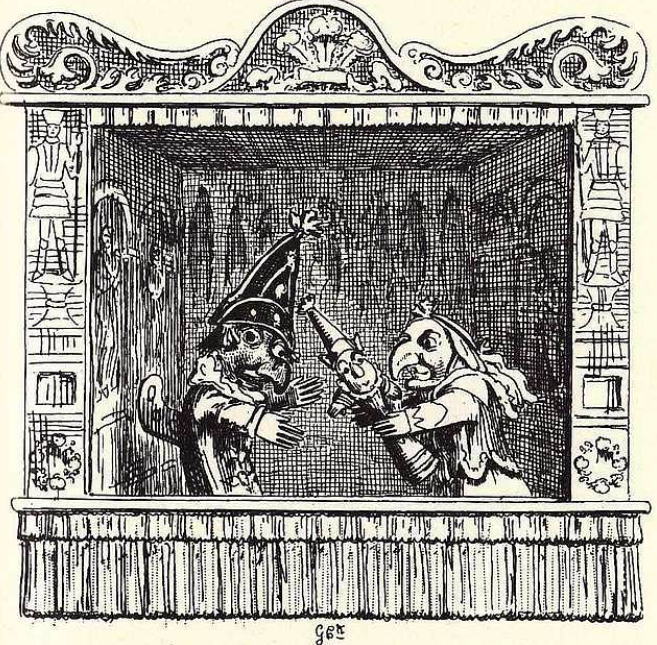 "Punch, Judy and their Child", illustration from Punch and Judy, from 1828. The first printed Punch and Judy script was published in 1828 and was written by the forger John Payne Collier and illustrated by British caricaturist George Cruikshank. (This work is in the public domain in the United States because it was published (or registered with the U.S. Copyright Office) before January 1, 1930. Source: https://commons.wikimedia.org/wiki/File:Punch_and_Judy_-_Punch,_Judy,_and_their_Child.png) So, what actually happens during a P&J show? We’re legitimately torn, here, as we don’t want to rob first-time viewers of the shocking elements of the plot, so skip the next paragraph if you want to have a true unexpected Punch and Judy experience. It’s not quite The Brothers Karamazov in terms of narrative complexity, though. The plot begins with Punch chatting and arguing with his wife Judy. She then leaves him alone with the baby. When the baby starts crying, he tosses the baby over the side of the stage, eliciting gasps of horror and shock from the child audience. Clearly, Mr. Punch is not being a very nice person. A Policeman then enters to arrest Punch for his antics, only to be outwitted and battered, reinforcing Punch’s defiance of authority figures. After dispatching the cop, he utters his famous catchphrase “That’s the way to do it!”. Oh, but it doesn’t stop there. Other strange characters, like a Crocodile or Joey the Clown, appear for very strange (psychotic?) reasons and also engage with Mr. Punch, escalating the mayhem, with Punch dispatching them each in turn all in his manic, violent fashion. Interestingly, the formerly shocked cadre of children are now totally engaged, often shouting “that’s the way to do it!” as the mania intensifies. The show then reaches its turbulent climax. No less a figure than the Devil appears to Mr. Punch. Think about it… is there a more difficult adversary? What is Mr. Punch to do? Well, after the Devil challenges him, Mr. Punch does what has always worked in the past and comically beats him with his slapstick. He then triumphantly crows over his diabolical victory, uttering his famous, swazzle-tinged line once again. But, as you all know, times change. The characters have changed over time, with the Alligator being a relatively recent addition. The show’s level of violence has shifted as well. Early performances, aimed at adults, featured Punch’s frenetic beatings with a slapstick, possibly reflecting societal frustrations at authority figures and oppressive mores. Or maybe people just like violent entertainment… Victorian versions became more cartoonish, appealing to families and still maintaining its “hard edge”. Contemporary shows are pretty varied, but usually far more “politically correct”, with much less violence, a more assertive Judy, and Punch’s beatings sometimes replaced with clever verbal sparring (yawn). However, if you search hard enough, you can still find more traditional professors who would be loathe to soften Punch’s hard edge, in effect arguing that this is part of Punch’s mischievous, dangerous, trixter spirit. Mr. Punch hasn’t been fully cancelled yet. 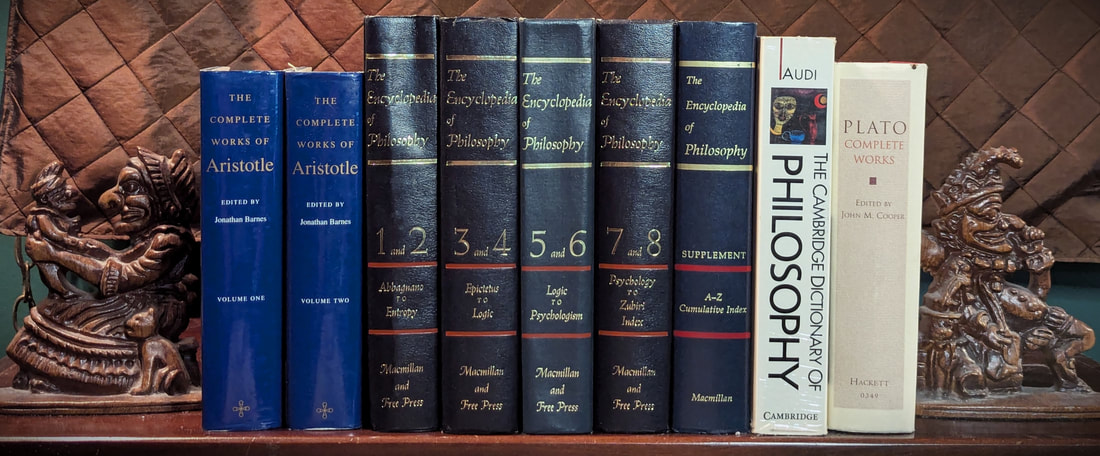 Some Punch and Judy bookends.
0 Comments
Your comment will be posted after it is approved.
Leave a Reply. |
Categories
All
Archives
October 2025
|
 RSS Feed