
|
If you’ve ever been on holiday at the British seaside or spent time in London’s Covent Garden, you may have noticed sings advertising a little puppet show called "Punch and Judy". Performances take place on a tiny stage replete with garish primary colors and lo fi technology (i.e., hands up inside of puppets). You may have walked right past and written it off as quaint children’s entertainment that harkens back to a bygone era before Fortnite and World of Warcraft sucked up all of your children’s time. If so, you sadly missed learning about Mr. Punch, a truly unique character in the Western canon. Just about the size of a small cat, Mr. Punch’s madcap, violent spirit makes him a veritable giant, especially if he perceives you to be an enemy. If you annoy him or try to restrict his freedom, even a wee bit, he’s gonna getcha, even if you are the Devil himself. 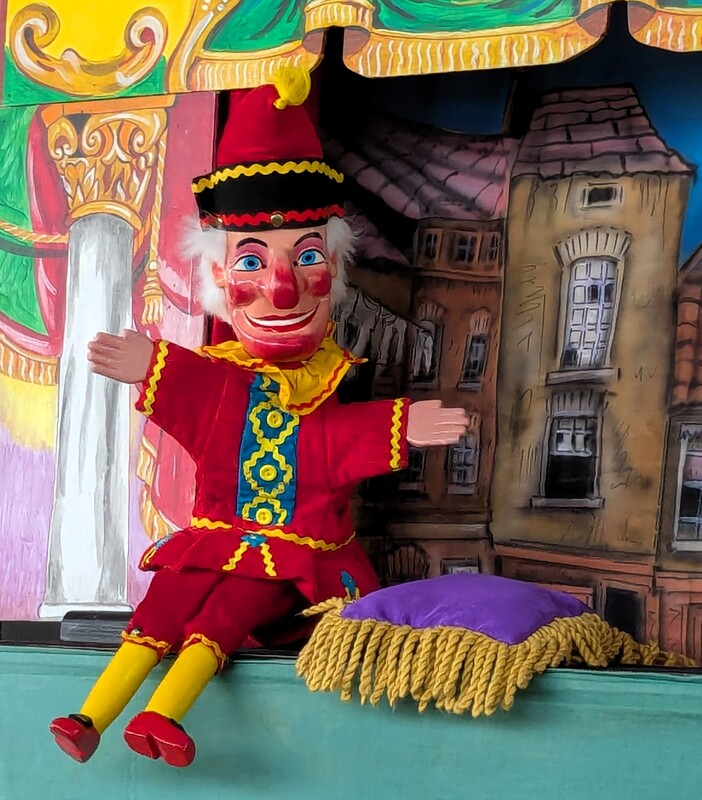 The garish Mr. Punch. We learned about the true nature of Punch from an unlikey source, a narrative nonfiction book authored by a rock star by the name of Mark Manning (aka Zodiac Mindwarp of Zodiac Mindwarp and the Love Reaction). As Mr. Mindwarp suggested in his book The Wild Highway, Punch may be unique for not only beating the Devil but, in some interpretations, beating him to death with a stick. This is a feat of pure chaotic audacity not found in any Western literature we are aware of. Before getting into this further, though, let’s get into a bit of the Punch and Judy history. Punch and Judy shows are rooted in 16th-century Italian commedia dell’arte. Mr. Punch emerged from a character called Pulcinella, who was a hook-nosed and irreverent trickster. At the time, he was an Italian marionette, but left the land of opera and pasta to become transmogrified into an English glove-puppet antihero by the 18th century. He even got a signature sound through use of a “swazzle”, which is a small, reed-like device that fits inside the puppeteer’s mouth and gives Mr. Punch a high-pitched, nasally voice totally different from all the other characters. The performers of Punch and Judy shows, called Professors, zealously guard the secrets of their homemade swazzles. One of us had to chutzpah to ask two separate Professors, “Hey, can I see your swazzle?” (which admittedly sounds like a pickup line), but was rebuffed both times. 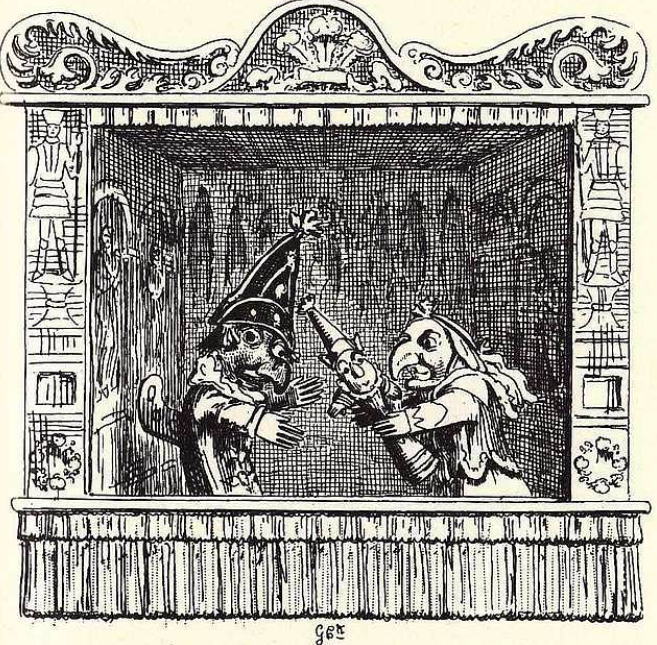 "Punch, Judy and their Child", illustration from Punch and Judy, from 1828. The first printed Punch and Judy script was published in 1828 and was written by the forger John Payne Collier and illustrated by British caricaturist George Cruikshank. (This work is in the public domain in the United States because it was published (or registered with the U.S. Copyright Office) before January 1, 1930. Source: https://commons.wikimedia.org/wiki/File:Punch_and_Judy_-_Punch,_Judy,_and_their_Child.png) So, what actually happens during a P&J show? We’re legitimately torn, here, as we don’t want to rob first-time viewers of the shocking elements of the plot, so skip the next paragraph if you want to have a true unexpected Punch and Judy experience. It’s not quite The Brothers Karamazov in terms of narrative complexity, though. The plot begins with Punch chatting and arguing with his wife Judy. She then leaves him alone with the baby. When the baby starts crying, he tosses the baby over the side of the stage, eliciting gasps of horror and shock from the child audience. Clearly, Mr. Punch is not being a very nice person. A Policeman then enters to arrest Punch for his antics, only to be outwitted and battered, reinforcing Punch’s defiance of authority figures. After dispatching the cop, he utters his famous catchphrase “That’s the way to do it!”. Oh, but it doesn’t stop there. Other strange characters, like a Crocodile or Joey the Clown, appear for very strange (psychotic?) reasons and also engage with Mr. Punch, escalating the mayhem, with Punch dispatching them each in turn all in his manic, violent fashion. Interestingly, the formerly shocked cadre of children are now totally engaged, often shouting “that’s the way to do it!” as the mania intensifies. The show then reaches its turbulent climax. No less a figure than the Devil appears to Mr. Punch. Think about it… is there a more difficult adversary? What is Mr. Punch to do? Well, after the Devil challenges him, Mr. Punch does what has always worked in the past and comically beats him with his slapstick. He then triumphantly crows over his diabolical victory, uttering his famous, swazzle-tinged line once again. But, as you all know, times change. The characters have changed over time, with the Alligator being a relatively recent addition. The show’s level of violence has shifted as well. Early performances, aimed at adults, featured Punch’s frenetic beatings with a slapstick, possibly reflecting societal frustrations at authority figures and oppressive mores. Or maybe people just like violent entertainment… Victorian versions became more cartoonish, appealing to families and still maintaining its “hard edge”. Contemporary shows are pretty varied, but usually far more “politically correct”, with much less violence, a more assertive Judy, and Punch’s beatings sometimes replaced with clever verbal sparring (yawn). However, if you search hard enough, you can still find more traditional professors who would be loathe to soften Punch’s hard edge, in effect arguing that this is part of Punch’s mischievous, dangerous, trixter spirit. Mr. Punch hasn’t been fully cancelled yet. 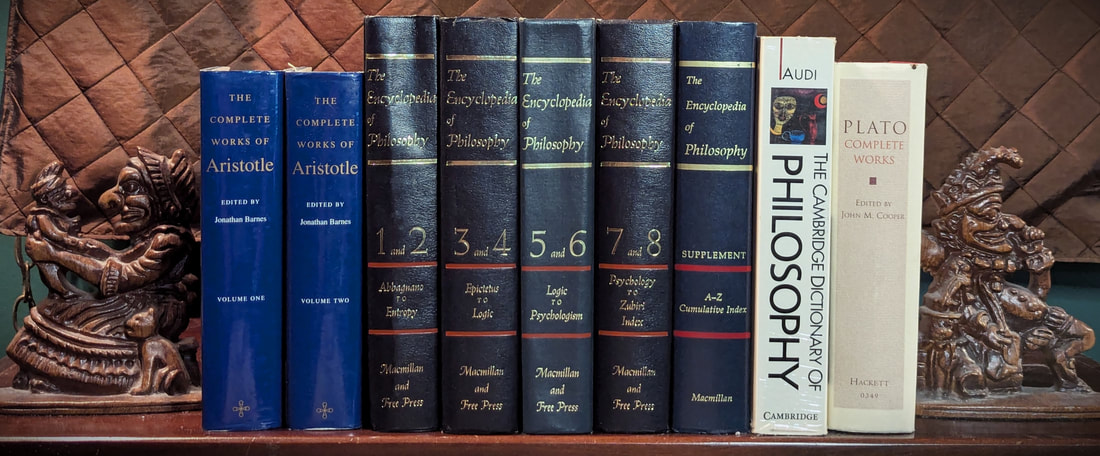 Some Punch and Judy bookends.
0 Comments
Nestled in the heart of the East End of London – just a quick 24-minute walk north of the famous Tower – lies The Ten Bells. This pub is not only a great example of Victorian-era drinking decor but is also the place where two of Jack the Ripper’s victims took their last drinks prior to meeting their gruesome ends. The Ten Bells is also believed by those who live in the paranormal world to be the #1 most haunted pub in London. It’s worth a stop the next time you’re trying to kill time in Jolly Old England’s capital. 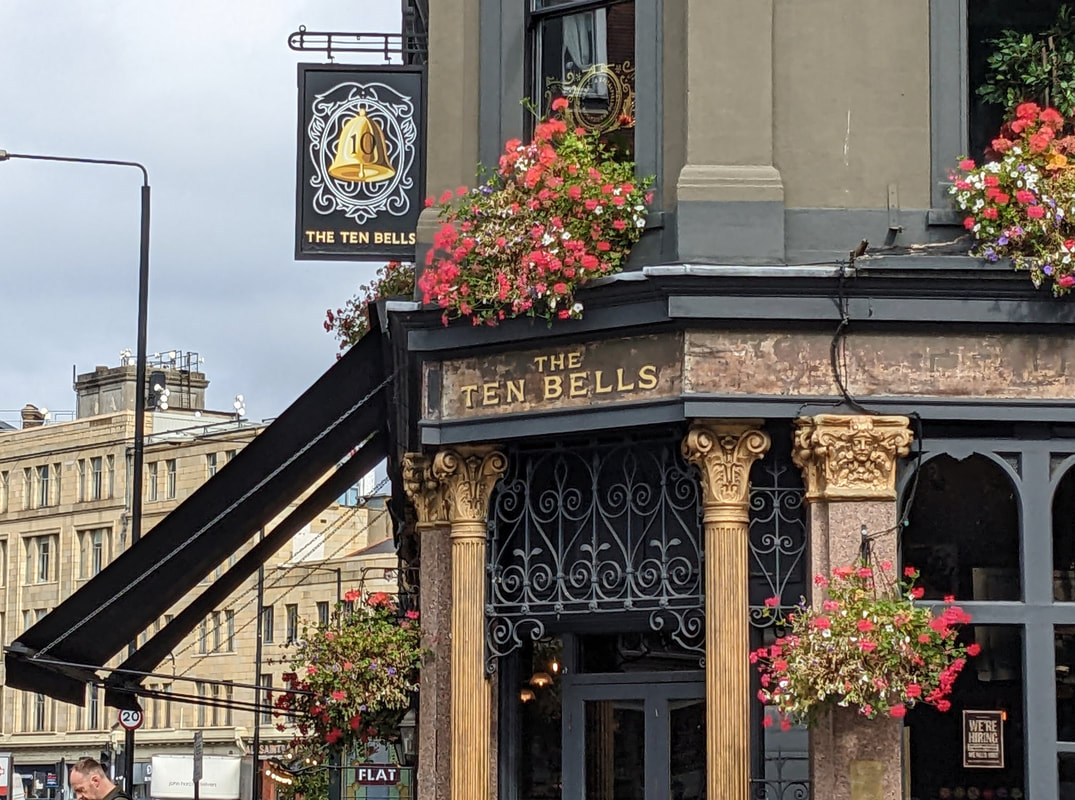 The street entrance to The Ten Bells. 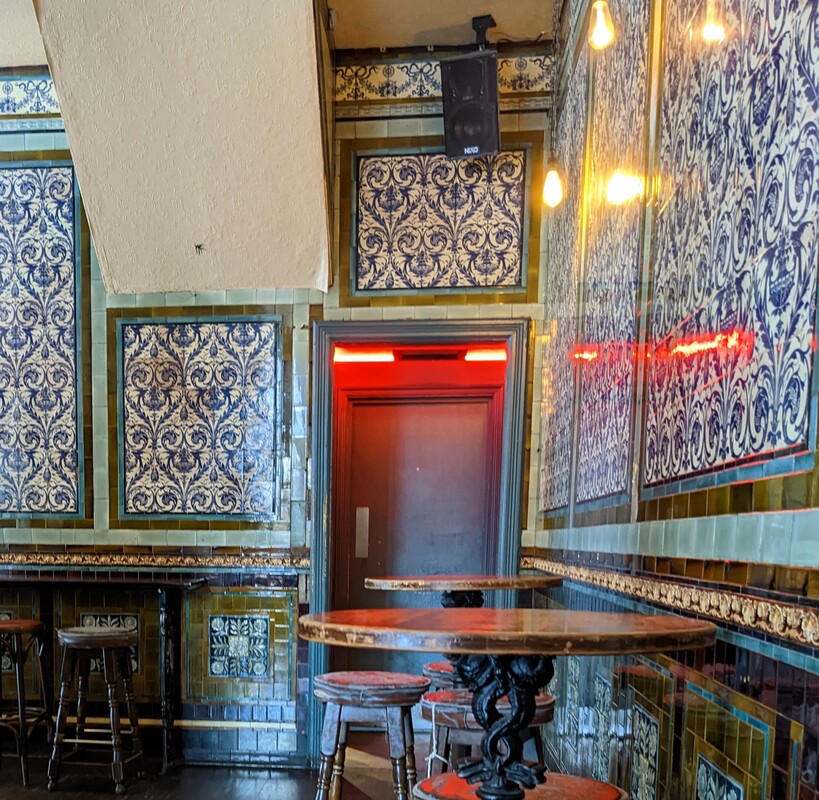 You can see some of the lovely tiles in this fancy establishment. The location of the bar in the 1880s would have been on the right hand side of the shot. You can see some of the lovely tiles in this fancy establishment. The location of the bar in the 1880s would have been on the right hand side of the shot. The Ripper and The Ten Bells You’ve all heard of Whitechapel, the section of London made famous from Jack the Ripper movies like From Hell starring Johnny Depp. You can probably even visualize what it was like to walk around there at night in the 1880s: cramped, congested, seedy, and dirty. Rain- and blood-soaked streets were dimly illuminated by yellow street lamps that made everyone and everything look jaundiced. The sound your own footsteps echoing down narrow cobblestoned streets was only occasionally interrupted by a lascivious drunken boast or the death rattle of “an unfortunate” meeting her brutal demise. This was the dark world inhabited by that old laughing boy, Jack the Ripper. Jack the Ripper, AKA Leather Apron (a name far less fitting for Hollywood movies) went on a crazed, necromutilomaniacal killing spree in Whitechapel between 1888 and 1891. There are different accounts of how many local sex workers met their end via the blades of his knives, but most Ripperologists stick to the “Canonical Five” consisting of Annie Chapman, Catherine Eddowes, Mary Jane Kelly, Mary Ann Nichols, and Elizabeth Stride. Three of these women have been linked to the Ten Bells. First, Elizabeth Stride was kicked out of the Ten Bells for drunk and disorderly behavior. The mind boggles at the level of fun (or cockneyed belligerence) that could lead to a person getting kicked out of a Whitechapel pub in 1888, but we sadly lack those critical details. Second, and more tragic, Annie Chapman is said to have been in The Ten Bells right before her murder took place at 29 Hanbury Street. This is a mere three-minute walk from the pub. Last, but certainly not least, that Irish lass Mary Kelly was believed to pick up her clients at both the pub and on the pavement right outside its doors. It’s even possible that she was propositioned by Jack inside the walls of The Ten Bells. Unfortunately for her, Mary’s death (and post-mortem abuse) was the most gruesome of the canonical five. She was not only a later victim – after Jack had refined and intensified his macabre fantasies – but was also the only one to be killed indoors. As a result, the Ripper didn’t have to rush as much as he did when murdering ladies of the evening on cobblestoned streets. He took his time. Poor Mary was killed and mutilated in a simple, one bedroom apartment just a two-minute walk south of The Ten Bells. 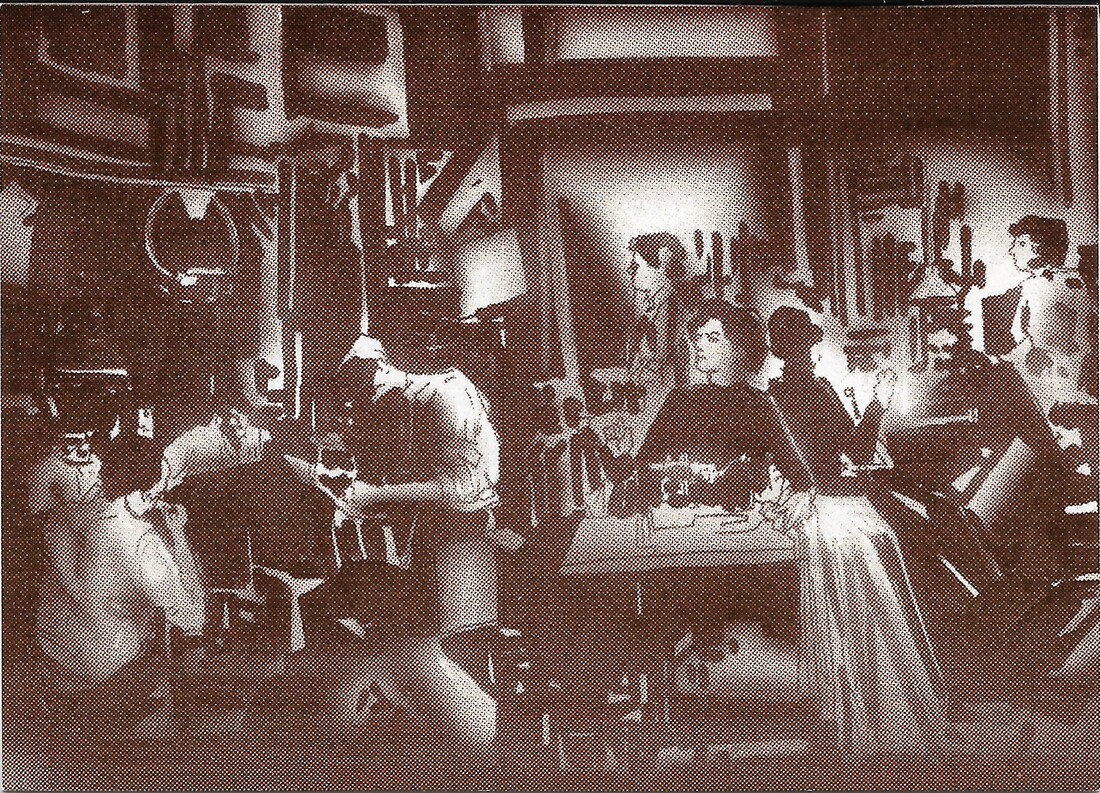 What public houses probably looked like in the 1880s. The image is from a very good set of Ripper trading cards titled The Autumn of Fear (Deborah Hyde & Floyd Jones Hughes, 1993). What public houses probably looked like in the 1880s. The image is from a very good set of Ripper trading cards titled The Autumn of Fear (Deborah Hyde & Floyd Jones Hughes, 1993). The ”Hauntings” The dark reputation of the pub isn’t limited to the Ripper, though. A baby was supposedly murdered there in the 19th century. “Psychics” supposedly refused to enter a room in the pub where this grisly event took place. Later – and this is surely disturbing if true but the PD team cannot confirm this detail – moldy baby clothes with cut marks on them were being found in a forgotten sack secreted behind a water tank. Then there’s George, a ghost that inhabits the pub. It is supposedly the spirit of George Roberts, a former landlord of the Ten Bells who was murdered with an axe. His untimely demise apparently led him to not only stay in the place where he was murdered, but also to become a poltergeist, and an irritable one at that. Old George (or another ghost – it’s hard to keep track of this supernatural literature) is reputed to wake up visitors staying in the upper floor apartments, lure them into the hallway, and then push them down the stairs. In other versions of the story, people would awake to George lying next to them in bed. Now that’s a bit creepy, George… Visiting The Ten Bells If you’re in London, visiting the pub is barely an inconvenience. It opens at noon every day and closes late in the night (i.e., be careful if you stay until closing). Most of the décor is not the Ripper-era original, as it would not have looked nearly this posh, but it will give you a feel for what it was like to drink in the Victorian age. The blue and white tiles are particularly striking. This is also where the bar would have been when the Ripper was active, not the current location in the center of the room. You will not meet patrons dressed in traditional Victorian garb. However, due to the fact that a number of hipsters frequent the bar, you may very well spot a handlebar moustache. After you have a pint or three, make sure to visit the toilets before you leave. They are downstairs and accessed by a very narrow staircase that will probably give you the most authentically creepy Victorian vibes. 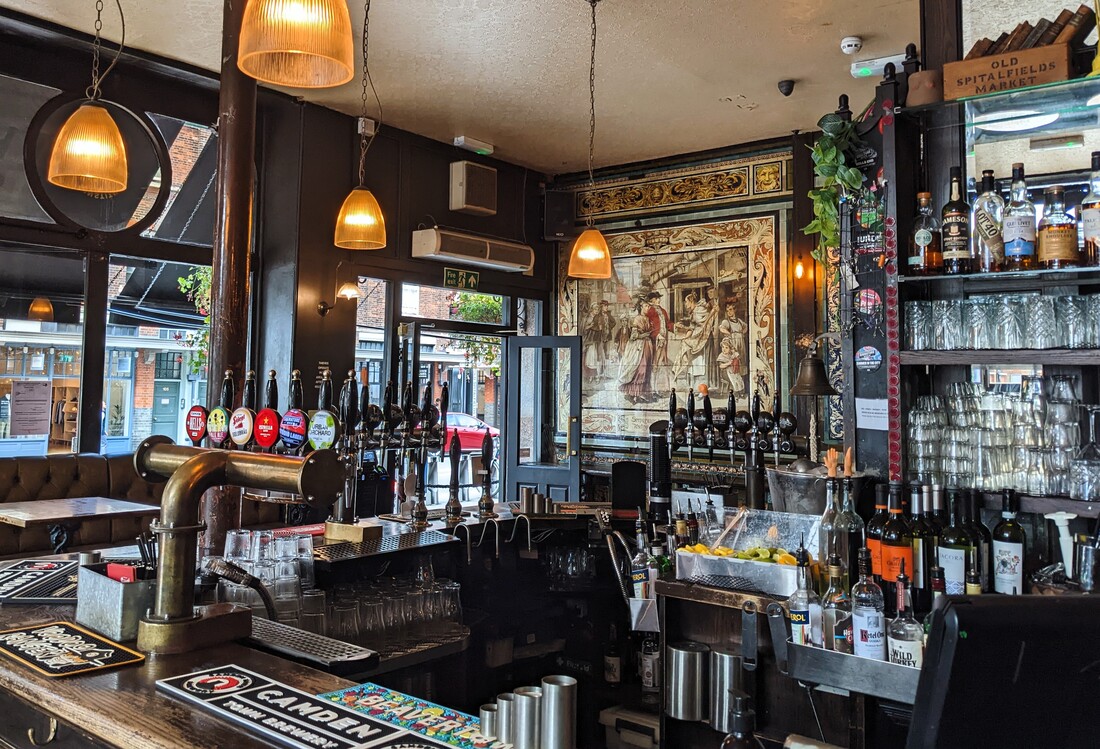 The charming modern bar at The Ten Bells. Ask if they have Old Speckled Hen or Old Thumper on tap if you drop in for a visit. Getting There
The Ten Bells 84 Commercial Street London E1 6LY United Kingdom Side Trips As noted above, the Tower of London is a short walk away, as is the Tower Bridge. You’re also just a short tube ride from The British Museum, Harrod’s, Fortnum & Mason, and thousands of other fun sites. 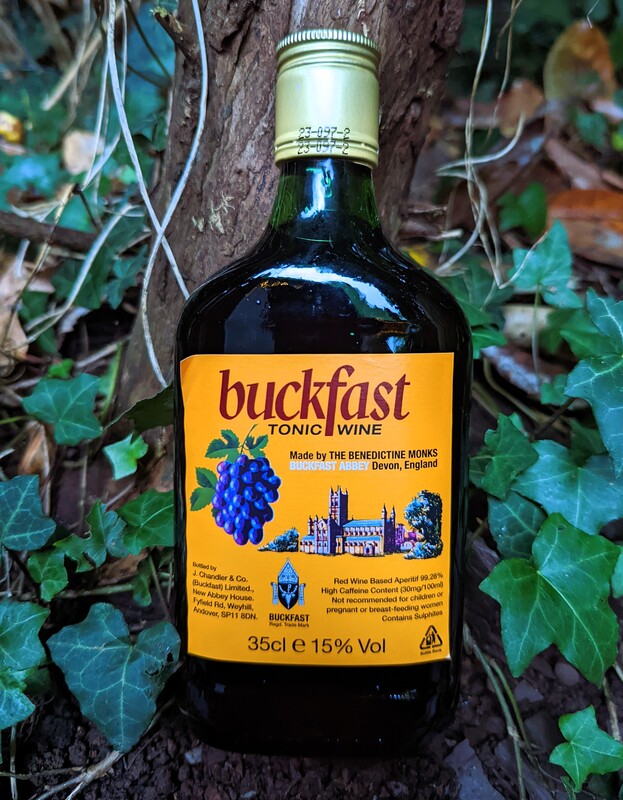 Buckfast Tonic Wine from Buckfast Abby UK. "Commotion lotion"... "Wreck the hoose juice"... The infamous Buckfast Tonic Wine has gone by several popular names over the years. Formulated by Benedictine monks in beautiful Devon (UK) this holy libation with an unholy reputation is 15% ABV with about 45 grams of caffeine per every wine glass. No, that is not a typo… 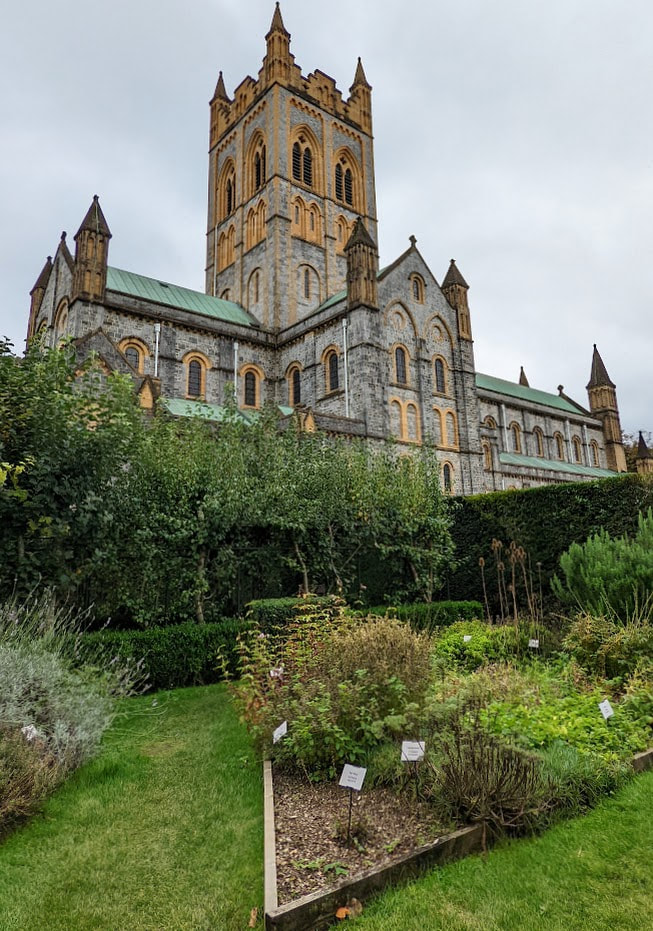 Buckfast Abby near Buckfastleigh, UK. Started in 1018 C.E. this Benedictine monastery is known for its manicured gardens and energizing tonic wine... Tasting Notes
When cold, it tastes of sweet cherry cough drops, orange, apricot pits, and gummy bears with a powerful burst of artificial vanilla. It also has a strange, but not unpleasant, bitterness that could be chemical caffeine but we don’t care enough to check. As it warms you get a bit of a hint of barnyard funk and it begins to become less palatable over time. Though marketed as a fortified wine, it tastes like it is probably some sort of grape must that has been fortified with a high proof spirit. Cheap and sort of fun to drink (i.e., better than most reviewers would imply), we wouldn't recommend it too close to bedtime. It’s also fun for its “ned” (i.e., Scottish gopnik) associations. We will try it in cocktails in the near future. |
Categories
All
Archives
October 2025
|
 RSS Feed