
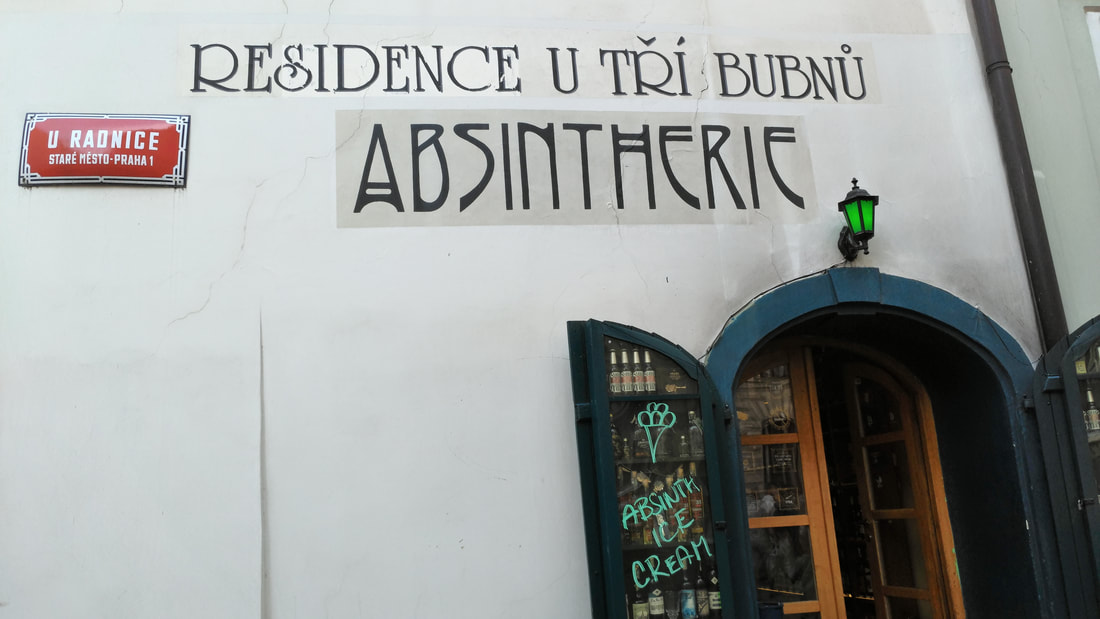
 Our favorite Absintherie in Prague, Czechia. Not only do they have a huge selection of absinthes (Swiss, French, and Czech), but also serve absinthe ice cream in the summer. Our favorite Absintherie in Prague, Czechia. Not only do they have a huge selection of absinthes (Swiss, French, and Czech), but also serve absinthe ice cream in the summer. Growing up in rural America in the 90s, it wasn’t terribly easy to be punk or industrial, at least in terms of fashion. Sure, you could probably find a Hot Topic if you needed a new pair of shiny black vinyl pants, but this might require a long drive to a mall in whatever was the nearest bastion of shopping civilization. Even worse, you would probably have to interact with whatever angsty and ironically elitist goth girls were running the register. Yes, we know you’re amazingly deep and dark, and above all the other rabble, and we certainly didn’t notice the Aunty Anne’s Pretzel store right outside. No one would ever laugh at you behind your back as you haughtily walked by with the cloying scent of butter and cinnamon clinging to every single bit of your black lacey clothes. Not that we’re bitter… Then there was the question of booze. In 1997, when Nine Inch Nails’ video The Perfect Drug came out, everyone I knew wanted to drink absinthe like that cool Trent Reznor. It almost seemed like a sexy sacrament, with a need for ritual, special gear (those fun slotted spoons), and patience. If you followed the boozy rites, you were rewarded with a bit of magic as that clear green liquid transformed into cloudy off-white. There was only one problem… absinthe was illegal. What was a poor degenerate to do? Sadly, it would continue to be illegal for many years. in the US, poor goths and poets would have to wait until 2007. But how did it become banned, you wonder? Well, it’s quite a strange tale of murder, mayhem, and sneaky wine sellers. 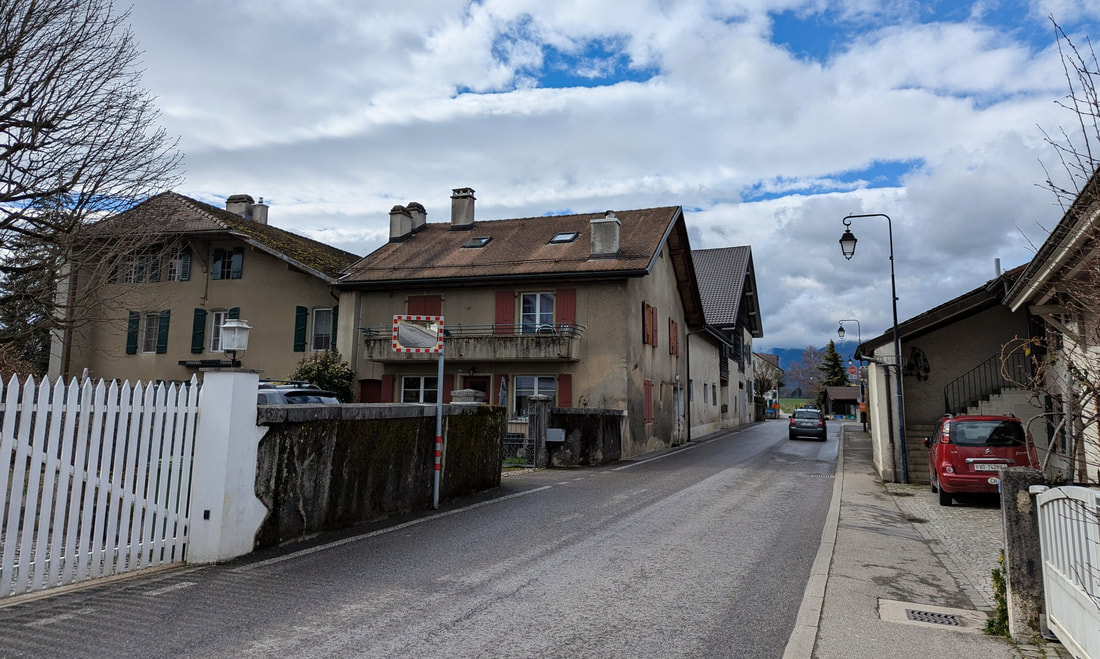 A quaint little side street in Commugny. This sordid tale begins in Commugny, Switzerland way back in 1905, and a stone’s throw from the birthplace of absinthe. Now, Absinthe isn’t just any other drink – it’s also known as "the Green Fairy", a glowing, anise-flavored spirit distilled with wormwood, packing a punch at 60-70% alcohol and rumored to make you see visions or lose your mind. The Swiss and French were currently chugging it like Perrier, with distilleries like Pernod Fils pumping out 36 million liters a year at peak production. It was the drink of poets, painters, and degenerates alike, with bohemians like Van Gogh and Toulouse-Lautrec swearing by its mind-bending side effects. But not everyone was showing love to the Fairy. The temperance movement - yes, those joy-killing puritans - had been claiming that absinthe caused “absinthism,” a syndrome of addiction, hallucinations, and violent lunacy. Dr. Valentin Magnan, a well-known French physician, even said it could have hereditary side effects, leading your children to become alcoholics if you drank too much absinthe. The air was thick with flammable, anise-scented vapors, and Jean Lanfray, a French laborer, was about to light a match. 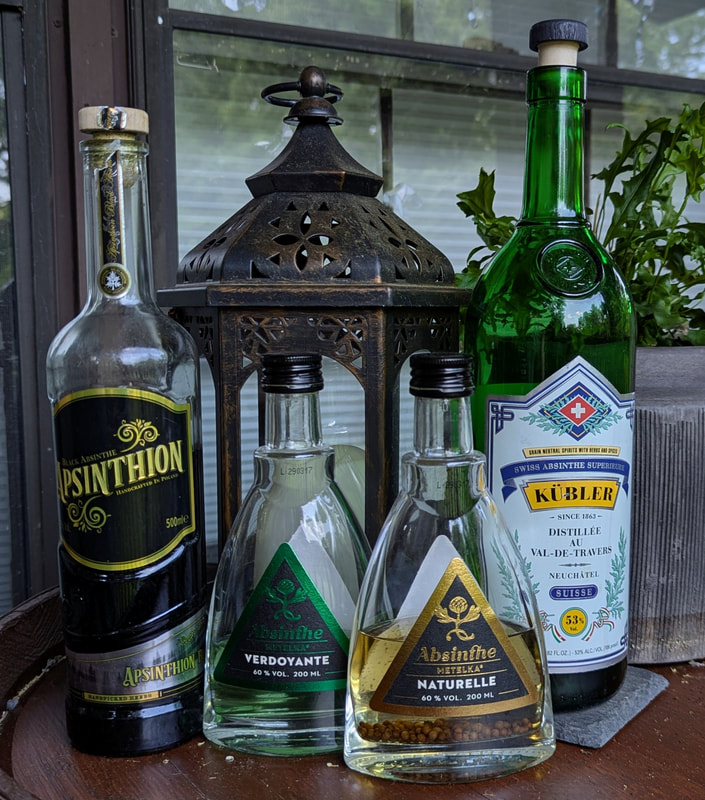 Some of our absinthes. The one on the left is a black Polish absinthe. The middle two are Czech-style absinthes, one with and without anise. The last is a Swiss absinthe. and probably close in style Lanfray was drinking. August 28, 1905, started like any other day for Jean Lanfray, a 32-year-old French peasant living with his pregnant wife, two daughters (Rose, 4, and Blanche, 2), and parents in a rickety old farmhouse. He was no stranger to drinking, and would often down more than six bottles of wine a day. However, on this particular Monday, he took things a bit further than usual. Here’s what the court records say that he downed. It’s a quantity of alcohol that would give Hunter S. Thompson a headache: - Seven glasses of wine to start off the day - Six glasses of cognac - One coffee laced with brandy - Two crème de menthes - Two glasses of absinthe - Another coffee with brandy - A liter of wine when he got home. 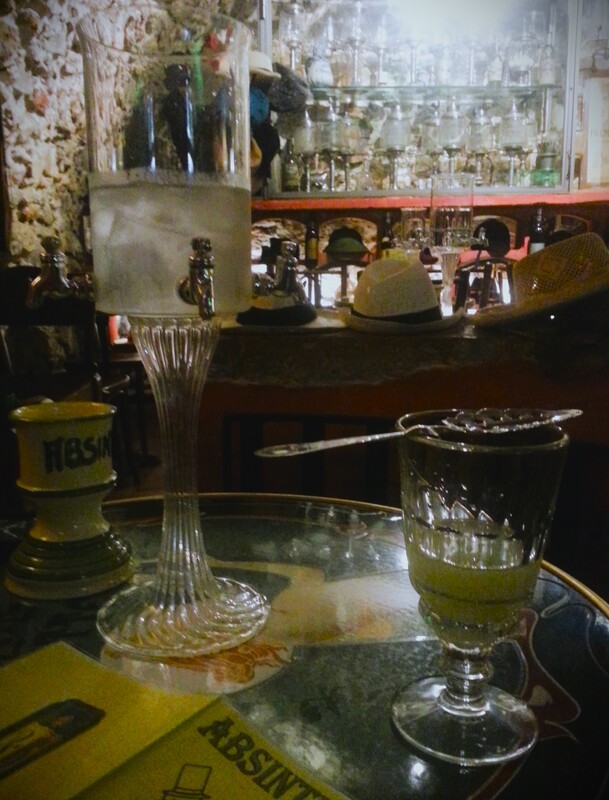 Our favorite absinthe bar of all time in Antibes France. There's a museum of absinthe there, too. Our best guess is that this was the equivalent of 24 shots of tequila, a staggering, brain-seizing amount of booze. Needless to say, Lanfray was a walking distillery by late afternoon, stumbling back to the farmhouse. He then got into a screaming match with his wife over her not polishing his shoes. Though his drinking habits would seem to imply that he wasn't the most responsible man, he seems to have found tidiness important, at least at this moment. Unfortunately for all parties involved, things escalated quickly. In a rage, Lanfray grabbed his Vetterli rifle, shot his wife point-blank in the head. He then turned on his daughters. Four-year-old Rose ran in, he shot her, and she died on the floor. Two-year-old Blanche was next and soon perished as well. Then, Lanfray shot himself in the jaw, somehow survived, and dragged Blanche’s body to the garden before collapsing. Needless to say, the village of Commugny was in shock, and the headlines screamed “The Absinthe Murders” before the bodies were even cold. Lanfray’s defense team didn’t waste time pointing fingers at the Green Fairy instead of the homicidal drunk. They argued those two ounces of absinthe turned him into a raving psycho, absolving him of responsibility. Dr. Albert Mahaim, a Swiss shrink and prof at the University of Geneva, lent his expertise to the case, testifying that Lanfray’s rampage was a textbook case of the Green Fairy’s evil spell. The press uncritically ate this sordid take up, painting absinthe as a liquid demon that could make any saintly man slaughter his own kin. But prosecutor Alfred Obrist didn’t buy it. He wisely pointed out that Lanfray had downed enough booze to kill a horse, with absinthe being but a small portion. He saw Lanfray as a ticking time bomb, whether or not he smelled of anise. As you might imagine, the subsequent trial was a circus. Politics, strong feelings, and sensational testimony were all found in the courtroom. However, Lanfray was found guilty and sentenced to 30 years in prison. He hanged himself in his cell three days later. Thus ended the tale of the Absinthe Murders of Commugny. Absinthe's ordeal, though, was just beginning. The Swiss banned it by 1910. The US (1912) and France (1915) soon followed suit. A bit of conspiracy was involved too, with the wine trade lobbying and presenting anti-absinthe propaganda to help get rid of its green (and cheaper to produce) competition. We can't help but wonder if the wine illuminati were involved...  A lovely vineyard in Commungny. 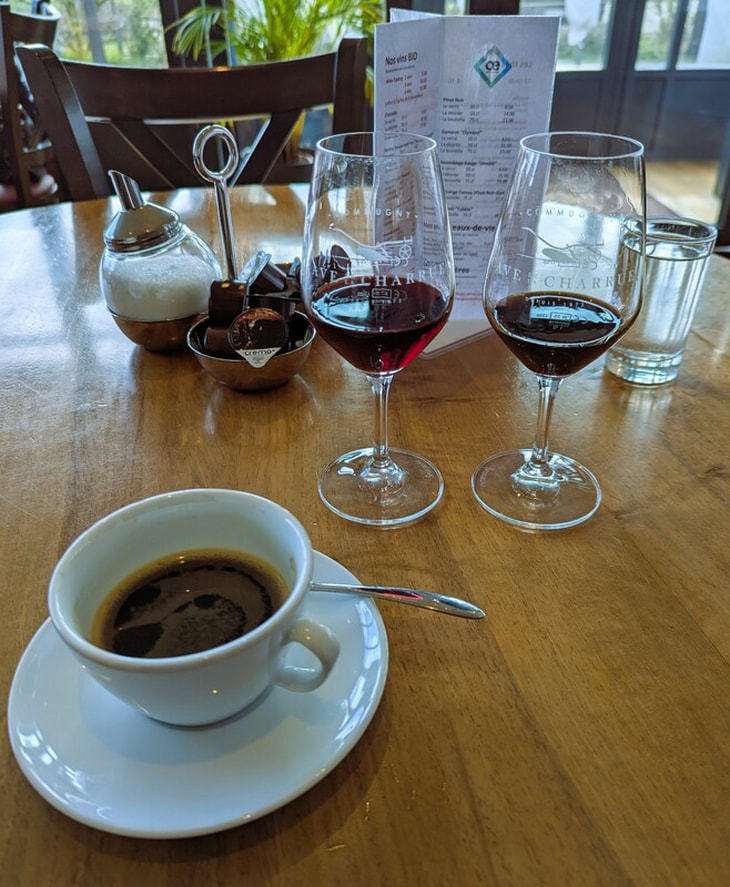 Quick break from absinthe murder at the cave de la charrue. Quick break from absinthe murder at the cave de la charrue. Today, Commugny ramains a quaint little town about 270 kilometers from Zurich’s main airport. In it you’ll find tasteful houses, vineyards, and some nice views. We visited on a weekend and the streets were fairly empty and quiet. Despite our best research efforts, we were unable to locate the scene of the crime. Believe us, we tried, but records back then were not the best. We couldn’t even find sketches of Lanfray or his family, let alone photos. Most local shops were closed that day, but we were able to taste some excellent local wines at Le Cave de la Charrue (The Cellar of the Plow). The host was very knowledgeable and kind, and even gave us a free glass of Gamay as we all chatted with an expat American grandmother and her granddaughter. Shortly thereafter, we left to go to our next destination, only a tiny bit disappointed by one strange fact. Maybe it was because we visited on a weekend, or maybe it was a thoughtful decision by the current townsfolk, but we couldn’t find a drop of absinthe anywhere. Commugny:https://www.lacote-tourisme.ch/en/P6137/cave-de-la-charrue-commugny 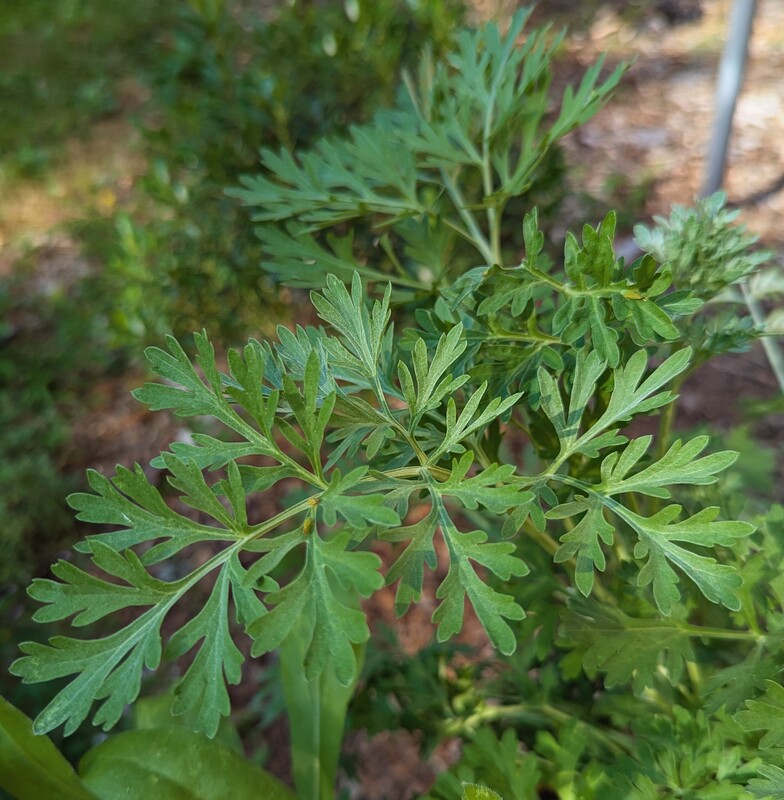 Artemisia absinthium (common wormwood), the plant that gives absinthe its special properties and pleasant bitterness.
0 Comments
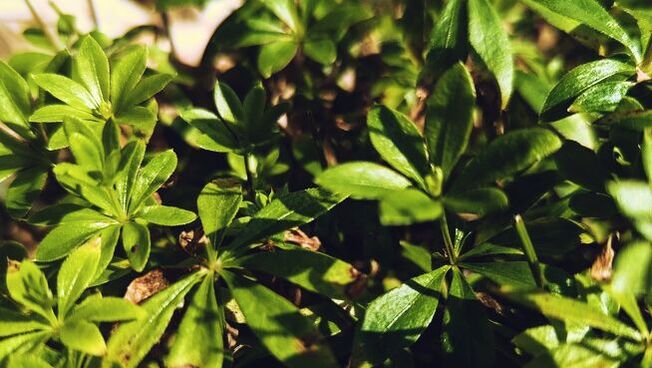 End of the season sweet woodruff. The Plant That’s Been Charming Drunks and Undertakers Since Medieval times... There’s a fun woodland weed that you might want to know about. It's an unassuming little plant, with dainty white flowers and whorled leaves. However, it has been sneaking its way into drinks, pagan rituals, and your strange aunt’s potpourri for centuries, maybe even thousands of years. So, let’s unpack some of the sweet and sinister history of sweet woodruff (galium odoratum). A History Drenched in Death and Decay? Remember the good old Middle Ages? Life in Europe was an unpleasant parade of plagues, wars executions, rampant werewolfery (see a previous blog on a more recent case of wolfy mayhem) and no indoor plumbing. Growing all over the shadowy forests of Europe, this herb was the medieval undertaker’s best friend. It's interesting, vanilla hay-like scent—think ice cream that had been kissed by a recently fed guinea pig—made it perfect for stuffing into coffins or strewing over plague-ridden floors to mask the putrid stench of our ultimate mortality. It’s possible that it may have even been used to ward off those pesky evil spirits that seemed to be everywhere at the time, or at least help make them smell a bit less grave-y. 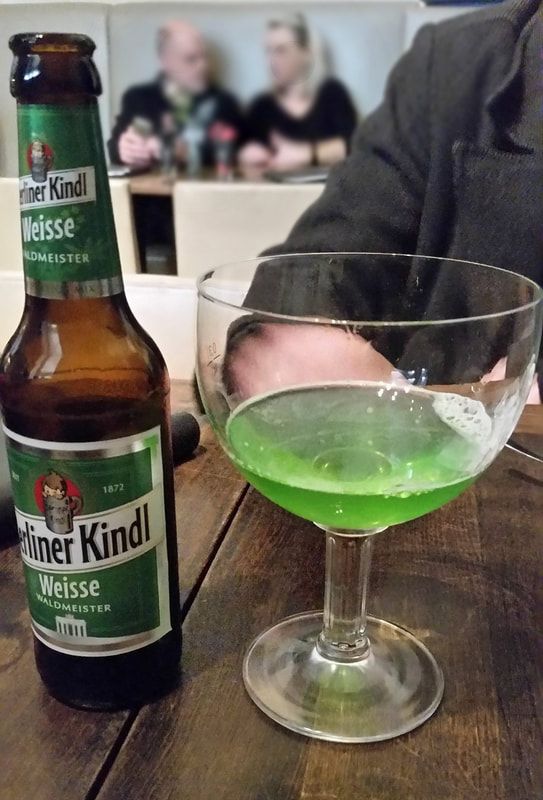 Berlinner Weisse beer with (very artificially green) woodruff syrup in Berlin. By the Renaissance, woodruff was common in apothecary shops and brewed into teas to cure insomnia and melancholia or to more generally, “rebalance the humours”. Before you run outside and eat a bushel to help get over whatever disorder you’ve decided that you now suffer from because of tiktok videos, though, keep in mind that large quantities of coumarin (i.e., the most interesting and tasty part of the plant) could really mess with your liver. Moderation is the name of the game with this wee plant beastie. Fast forward to the 19th century, and this herb was slinking into aristocratic punch bowls, it’s probably most famous in May wine (Maibowle in German), Germany’s famous springtime punch consists of steeping sweet woodruff in white wine with strawberries. Woodruff’s strange, but pleasant flavor is the epitome of the transition from Spring to Summer. 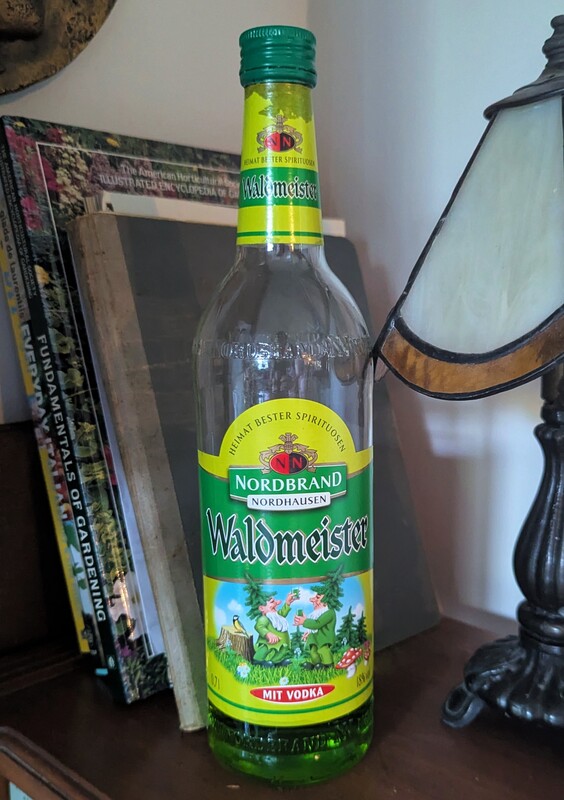 A commercially-produced woodruff liqueur. Sweet woodruff (aka waldmeister) is prized in German beer as well. It’s very popular to add waldmeister syrup (see recipe below) to Berliner Weisse beer. The latter is a low-horsepower wheat beer primarily associated with Berlin, known for its crisp, effervescence and pleasant sourness. Waldmeister syrup, with its soft flavor, perfectly balances out its tartness. However, be warned that artificial green colors are often added for dramatic effect. Craft distillers, those alcohol alchemists who pepper the countryside of every civilized locale these days, sneak woodruff into schnapps or liqueurs to elevate the exotic flair. Want to play hipster bartender yourself? Simple infuse woodruff into vodka with some (natural) red grenadine or black walnut bitters for a cocktail ingredient that screams gothic pretension. Just filter out the leaves unless you want your glass looking like a witch’s compost pile. 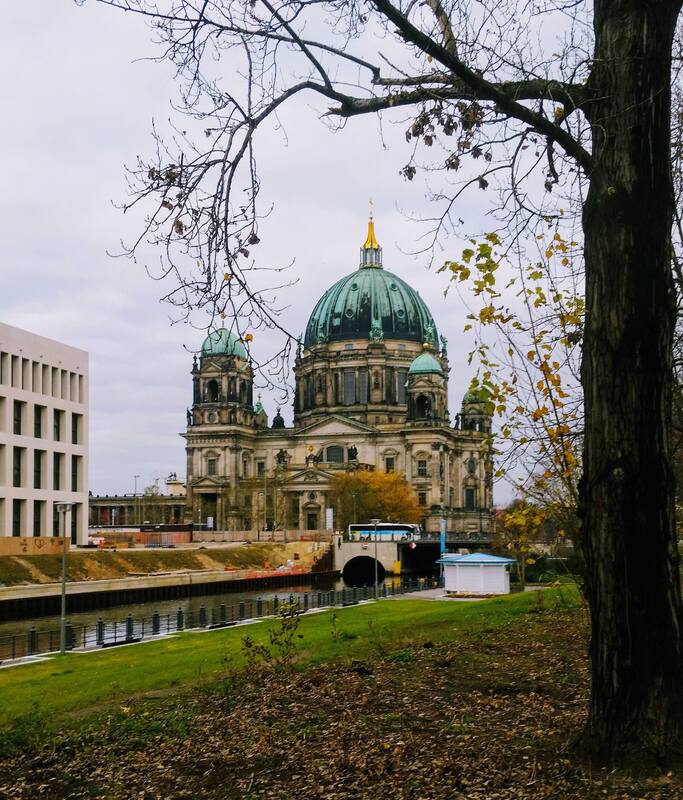 Beautiful Berlin. How to Summon the Woodruff Fairies: Woodruff is not easy. Its flavor isn’t ready made; it takes some coaxing to emerge. It’s best to harvest this herb on a misty morning in early June (like today, June 3, 2025), when it’s blooming. Snip stems with scissors so you don’t damage the plant too much and dry them for a day or so to allow the coumarin’s flavor to emerge and intensify. Please don’t skip this step unless you want a bland flavor and only the ghost of a vanilla aroma. Now, get rid of those stems, keeping only the slightly shriveled leaves. Boil up some simple syrup. When it’s made, take it off the heat, throw in some lemon slices for flavor (and to cool down the syrup a bit), and then add the woodruff. Once it cools to room temperature, cover and refrigerate for 1-2 days, strain, bottle, and store. You now have the makings of a great flavoring for beer, cakes, or craft cocktails. Sweet Woodruff Simple Syrup Recipe Ingredients: - 1 cup water - 1 cup granulated sugar - 2/3 cup fresh sweet woodruff leaves (washed and dried for 1-2 days) 1. Combine Ingredients: In a small saucepan, combine water and sugar. Stir over medium heat until the sugar dissolves completely. 2. Remove from the saucepan. Add the lemon slices 3. Add the dried sweet woodruff leaves to the saucepan. 4. Let the syrup cool to room temperature. Now, cover and refrigerate for 1-2 days. 5. Last, but not least, strain through a fine mesh sieve or cheesecloth to remove the leaves. Pour the syrup into a clean, airtight bottle or jar. Store in the refrigerator. Tips: - This syrup is great in cocktails, mocktails, lemonades, or even drizzled over desserts. - Ensure sweet woodruff is sourced safely, as it should be used in moderation due to its coumarin content. 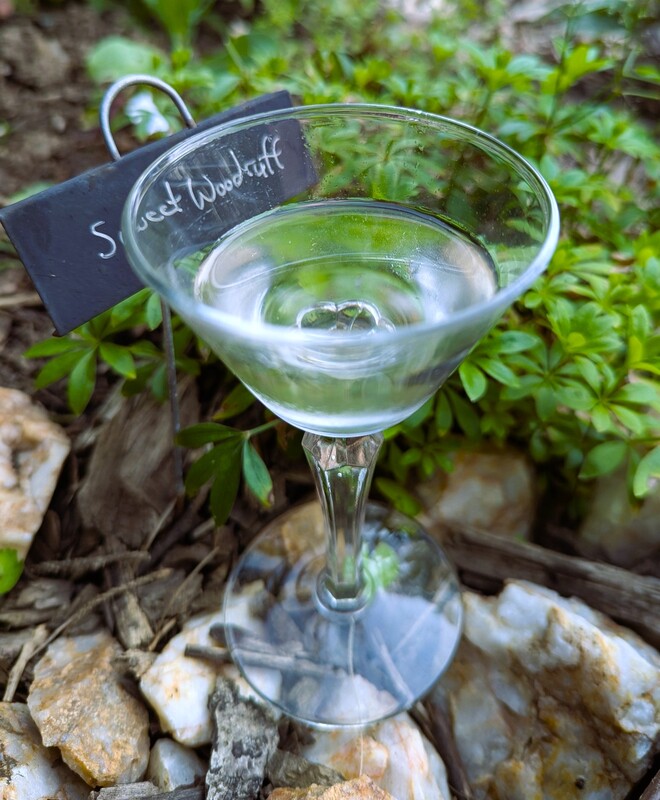 The finished product, sweet woodruff syrup (sans artificial colors). |
Categories
All
Archives
October 2025
|
 RSS Feed